穴位别名: 瘈脉,
瘈脉穴(全称写法)。
English Aliases:
Spasmodic Vessel (GB-43),
Chimai,
Spasm Vessel Point
穴位位置
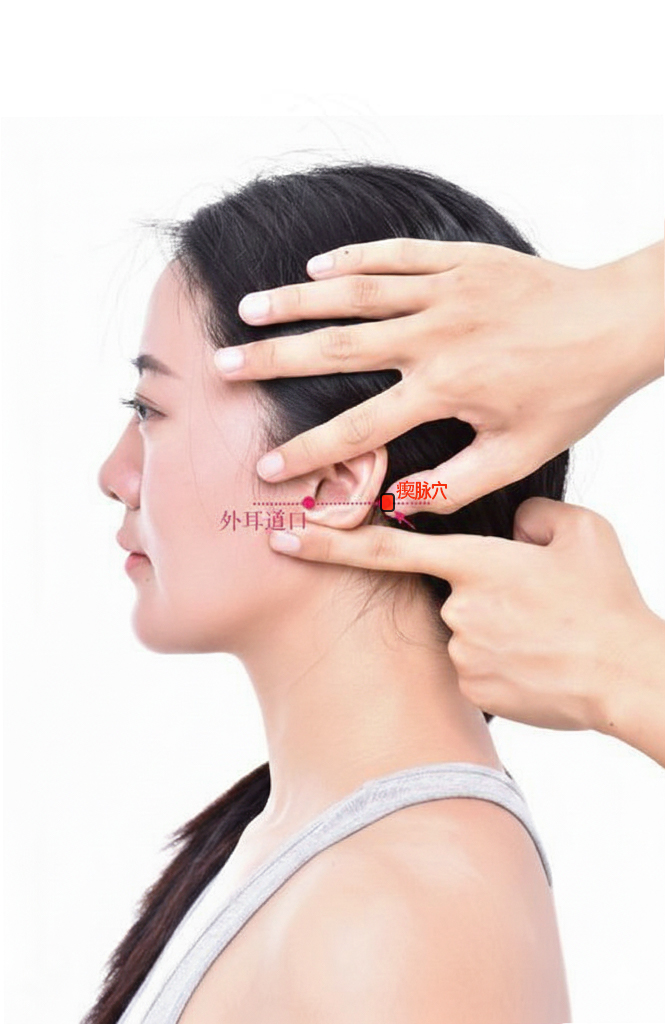
找穴方法
找到耳后凸起的骨头(乳突), 在乳突后缘靠近发际的凹陷处, 按压有酸胀或轻微刺痛感,即为瘈脉穴。 English Method: Locate the mastoid process behind the ear, Move slightly posterior toward the hairline, Palpate the depression with tenderness — this is GB-43推拿手法
Technique: Press and knead gently or apply point pressure using the thumb or index finger
Pressure: Light to moderate
Duration: 1–2 minutes
⚠️ Caution: The area behind the ear is sensitive — avoid excessive force
深度:平刺或斜刺 0.3–0.5 寸
艾灸:一般不宜
English
Insertion: Transverse-oblique insertion, 0.3–0.5 cun
Moxibustion: Generally not recommended
针刺手法
平刺法:针身与皮肤呈15度角左右刺入,进针深度0.3-0.5寸(约1-1.7厘米),此时耳后会产生酸胀感(平刺即用小角度倾斜进针的针刺手法)。穴位功效
平肝息风, 通络止痛, 清头明目, 疏利耳窍。 English Functions: Calms the liver and extinguishes internal wind, Activates the channels and relieves pain, Clears the head and improves vision, Benefits the ears适用症状
头痛、偏头痛, 眩晕, 耳鸣、耳聋, 颈项强痛, 小儿惊风、抽搐。 English Indications: Headache and migraine, Dizziness and vertigo, Tinnitus and deafness, Neck stiffness and pain, Infantile convulsions and spasms穴位禁忌
不宜深刺, 局部炎症或破损者慎用。 English: Avoid deep needling, Use caution if the area is inflamed or injured穴位解说
瘈脉穴最早出现在《针灸甲乙经》、《铜人腧穴针灸图经》、《针灸资生经》、《类经图翼》等古医书有记载。
“瘈”在这里指的是抽搐,“脉”则是指血管和经脉。
《针灸甲乙经》记载:“这个穴位还有个名字叫资脉,位于耳朵后方像鸡爪状的青筋位置。针刺时要放出像豆汁样的血量,进针深度约1分(约0.3厘米),配合灸法每次用三个艾绒团”。
同一本书还提到:“小孩癫痫发作时出现抽搐、呕吐腹泻、胆小易受惊、视力模糊、眼角分泌物增多等症状,都可以配合长强穴一起使用瘈脉穴治疗”。
《针灸资生经》说明:“头风病(反复发作的头痛)伴随耳后疼痛时,可以配合完骨穴使用瘈脉穴”。
《铜人腧穴针灸图经》卷三记载:“这个穴位既能治疗头痛耳鸣,还能调理反复发作的腹泻”。
《孔穴命名的浅说》解释:“这个穴位因为擅长治疗抽搐类疾病,所以直接以病症命名叫瘈脉”。
《针灸甲乙经》:“瘈脉,主头痛,耳鸣,惊风。”
Classical Meaning (EN)
GB-43 is recorded for treating headache, tinnitus, and convulsive disorders.
声明:网站所有内容,如无特殊说明或标注,均为本站原创发布。任何个人或组织,在未征得本站同意时,禁止复制、盗用、采集、发布本站内容到任何网站、书籍等各类媒体平台。如若本站内容侵犯了原著者的合法权益,可联系我们进行处理。