
穴位别名: 脾都(古籍别称)。
English Aliases:
Dadu SP-2,
Great Capital,
Spleen Ying-Spring Point
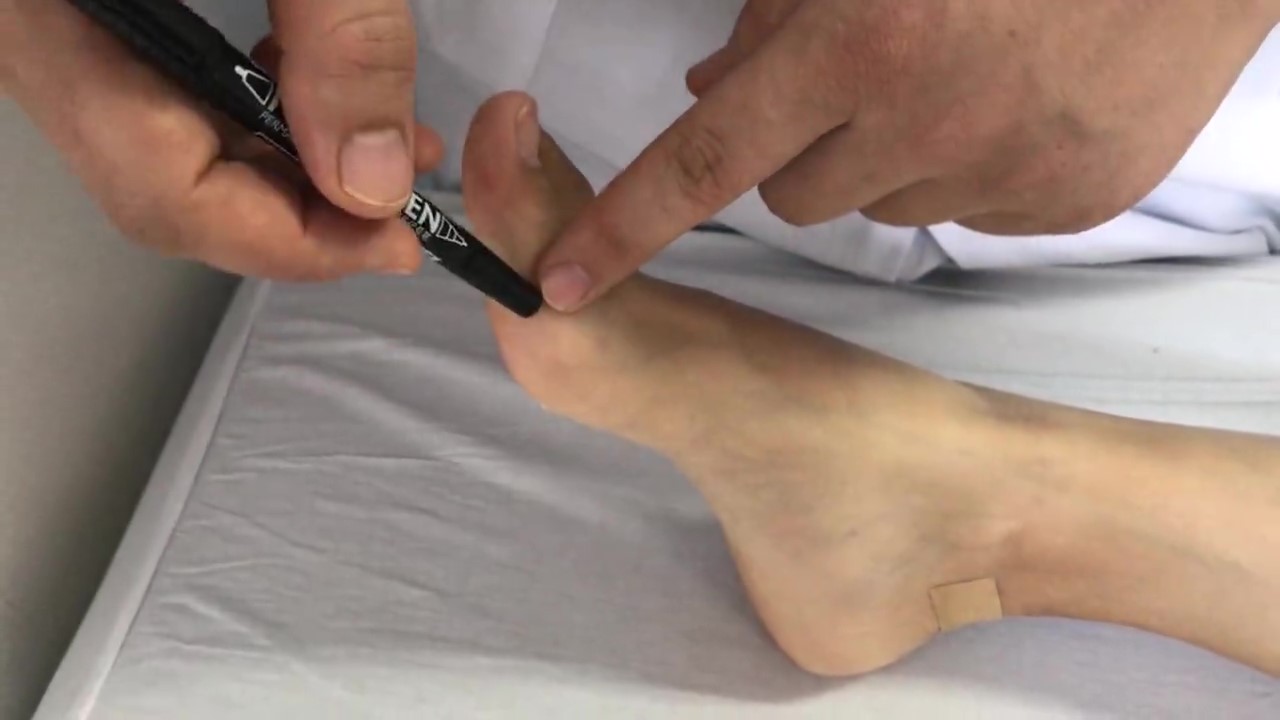
穴位位置
找穴方法
找到足大趾与第一跖骨连接处, 在关节前下方可触及凹陷, 该凹陷即为大都穴。 English Method: Identify the first metatarsophalangeal joint of the big toe, Palpate the depression anterior and inferior to the joint, This depression indicates SP-2推拿手法
手法:拇指按揉
力度:中等
时间:1–2 分钟
⚠️ 针刺(专业)
直刺:0.3–0.5 寸
艾灸:可灸 5–10 分钟
Massage: Moderate thumb pressure or kneading
Needling: Perpendicular insertion 0.3–0.5 cun
Moxibustion: 5–10 minutes recommended
针刺手法
针刺时垂直刺入皮肤,深度约为0.3到0.5寸(约1到1.7厘米)。进针过程中会感到局部酸胀感,需要注意不能刺得太深。根据病情选择补法(增强身体功能)、泻法(祛除病邪)或平补平泻法(调节平衡)。穴位功效
健脾和中, 清脾热, 消胀止痛。 English Functions: Strengthens the Spleen, Clears Spleen heat, Relieves abdominal distension and pain适用症状
⭐ 核心适应症: 腹胀, 腹痛, 食欲不振。 其他适应症: 发热, 口渴, 足趾疼痛。 English Indications: Abdominal distension, Abdominal pain, Poor appetite, Fever, Thirst, Toe pain穴位禁忌
🚫 中文禁忌: 足部皮肤破损禁针, 虚寒腹泻者慎用清法。 🚫 English: Avoid needling if local skin is damaged, Use caution in deficiency-cold diarrhea穴位解说
大都穴最早记载于中医经典《灵枢本输》一书,后来晋代《肘后备急方》和唐代《备急千金要方》都有相关记录。古代医书记载这个穴位主要有两个作用:一是调理脾胃功能,改善消化不良;二是清除体内积热。
《针灸甲乙经·卷七》记载:“疟疾发作时身体各处都难受(中医称为疟,指以寒战发热、头痛口渴为主要表现的疾病),可以用大都穴治疗”。
《肘后备急方》提到:“遇到突然发作的剧烈呕吐腹泻(霍乱),导致严重拉肚子的情况,可以用这个穴位”。
《备急千金要方·卷十五》记录:“排便困难(后闭不通)时,艾灸大都穴,根据患者年龄确定灸治次数(随年壮指按照年龄确定艾灸次数,如30岁灸30壮)”。
《灵枢·本输》:
“大都者,脾之荥也。”
《针灸甲乙经》:
“主腹满,肠鸣,热病。”
Classical Meaning (EN)
Dadu (SP-2) is the Ying-Spring point of the Spleen meridian, commonly used to clear spleen heat and support digestive function.
声明:网站所有内容,如无特殊说明或标注,均为本站原创发布。任何个人或组织,在未征得本站同意时,禁止复制、盗用、采集、发布本站内容到任何网站、书籍等各类媒体平台。如若本站内容侵犯了原著者的合法权益,可联系我们进行处理。